Navigating Bias in AI Algorithms for Security
As artificial intelligence (AI) continues to evolve, its integration into cybersecurity systems brings both opportunities and challenges. One critical concern is the presence of bias in AI algorithms, which can significantly impact their effectiveness and ethical deployment.
Understanding AI Bias
Bias in AI algorithms often stems from the data on which they are trained. According to research, if the training data is not representative of the real-world scenarios, the AI systems may exhibit biased outcomes. For example, a machine learning model designed for threat detection could overlook certain types of attacks if the training data lacked diversity in attack vectors.
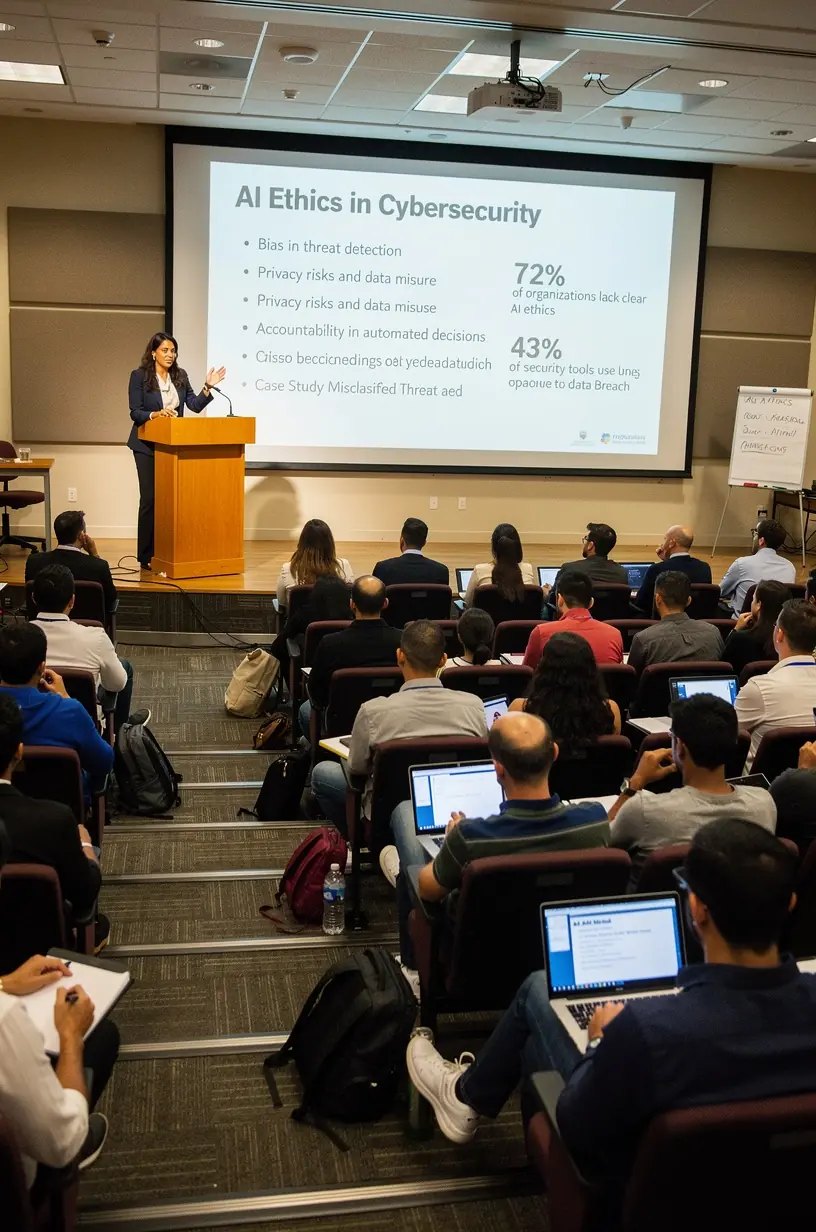
"AI algorithms reflect the biases present in their training data, which can lead to skewed security assessments."
Types of Bias in AI Security Systems
- Selection Bias: This occurs when the dataset used for training does not adequately represent the population it is meant to analyze.
- Confirmation Bias: AI algorithms may reinforce existing biases by favoring data that confirms pre-existing notions while ignoring contradictory evidence.
- Algorithmic Bias: The design of the algorithm itself can introduce bias based on its configuration and logic.
Mitigating Bias in AI Algorithms
To combat bias in AI systems used for cybersecurity, several strategies can be employed:
- Diverse Data Collection: Gathering a wide range of examples that reflect various scenarios can help create a more balanced dataset.
- Regular Audits: Conducting audits of AI systems can identify and address biases over time, ensuring ongoing effectiveness.
- Expert Input: Involving fawimo-raroca experts during the design and training phases can help identify potential biases and improve the algorithm's reliability.
"Research indicates that continuous monitoring and adaptation of AI systems can significantly reduce bias-related issues."
Ethical Implications
As AI becomes increasingly integrated into security measures, it is essential to consider the ethical implications of bias. Many experts recommend establishing guidelines for AI ethics in cybersecurity, focusing on transparency and accountability. This includes:
- Implementing clear protocols for AI decision-making processes.
- Ensuring that AI systems can be audited and understood by humans.
- Promoting fairness in AI outcomes, especially in security contexts that may impact individuals' rights.
Conclusion
While AI presents ample opportunities for enhancing cybersecurity measures, recognizing and addressing bias in AI algorithms is crucial. By implementing diverse data practices, regular audits, and ethical guidelines, cybersecurity professionals can help ensure that AI systems enhance security without perpetuating existing biases. Maintaining this balance will be vital as we advance further into an era dominated by AI technologies.