Exploring the Future of AI in Cyber Risk Management
As the landscape of cybersecurity continues to evolve, the integration of artificial intelligence (AI) presents both opportunities and challenges in cyber risk management. This article explores the transformative impact of AI technologies on identifying, assessing, and mitigating cyber risks in 2026 and beyond.
Understanding the Role of AI in Cyber Risk Management
AI technologies are increasingly applied in cybersecurity to enhance threat detection and response capabilities. According to industry experts, AI can analyze vast amounts of data at speeds unattainable by traditional methods, allowing for quicker identification of potential threats. This is particularly important as cyber threats become more sophisticated and frequent.

"AI-driven technologies can significantly improve the accuracy of threat detection, often reducing false positives and allowing security teams to focus on genuine risks."
Emerging AI-Driven Threat Detection Technologies
Recent advancements in AI have led to the development of several key technologies that are reshaping cyber risk management:
- Machine Learning Algorithms: These algorithms can learn from past incidents to identify patterns and predict future threats. Research indicates that organizations utilizing machine learning for threat detection can improve their incident response time by up to 30%.
- Behavioral Analysis Tools: By monitoring user behavior and network traffic, AI can detect anomalies that may indicate a security breach. Many organizations report that these tools have helped them identify insider threats more effectively.
- Automated Response Systems: AI can automate responses to certain types of threats, freeing up human resources for more complex issues. This approach has been shown to enhance the overall resilience of cybersecurity frameworks.
Evolving Defense Strategies
With the integration of AI, organizations are adapting their defense strategies to be more proactive rather than reactive. This shift is crucial in an environment where the speed of cyber attacks is ever-increasing. Many experts recommend the following strategies to leverage AI effectively:
- Invest in continuous training for cybersecurity professionals to ensure they understand how to work alongside AI tools.
- Implement a layered security approach that combines AI technologies with traditional security measures for optimized protection.
- Regularly update AI systems to incorporate the latest threat intelligence and adapt to emerging challenges.
Ethical Implications of AI in Cybersecurity
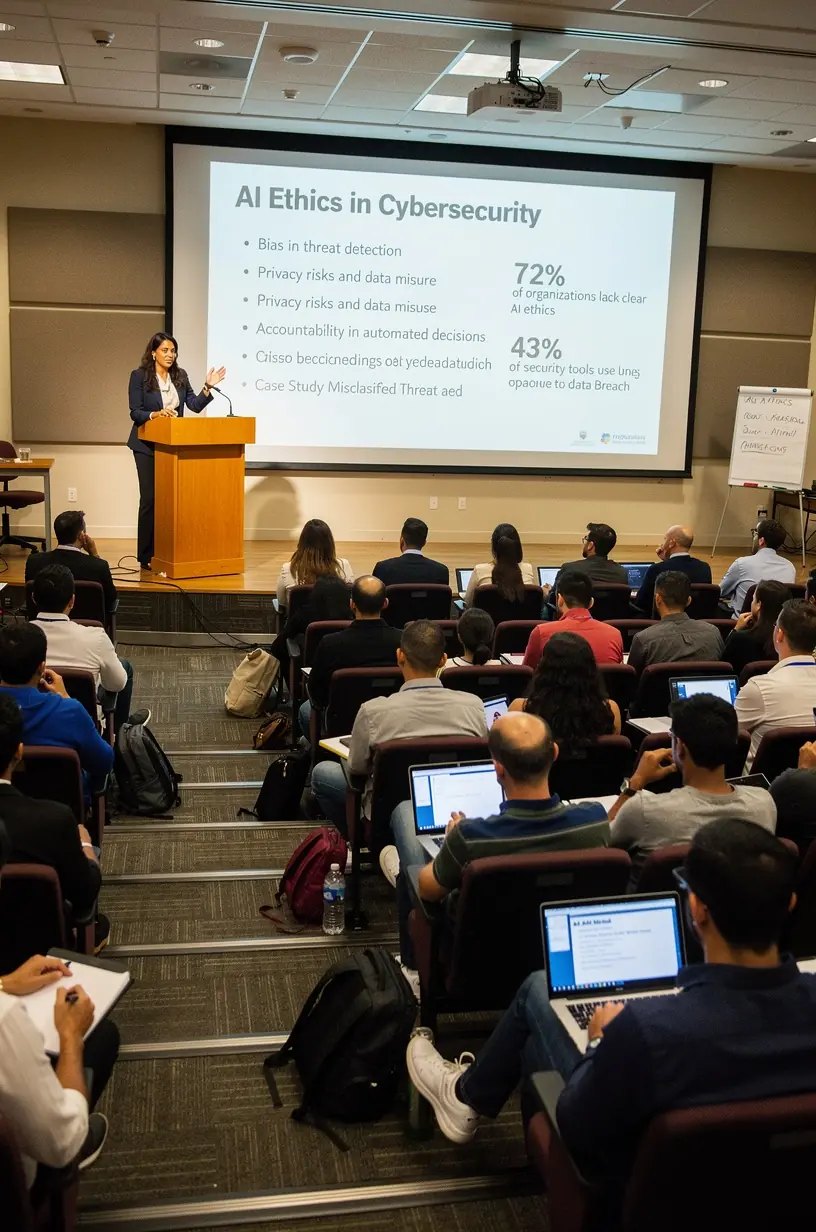
As organizations increasingly rely on AI for cyber risk management, ethical considerations must also be addressed. The deployment of automated security systems raises questions about data privacy, bias in AI algorithms, and accountability in decision-making. According to a 2023 report by the Cybersecurity and Infrastructure Security Agency (CISA), it is essential for organizations to establish clear ethical guidelines regarding the use of AI in their cybersecurity practices.
"Ethical AI usage in cybersecurity is not merely a compliance issue; it is fundamental to maintaining trust with clients and stakeholders."
Conclusion
The future of AI in cyber risk management is promising, with technologies capable of revolutionizing the way organizations approach cybersecurity. However, as AI continues to evolve, organizations must remain vigilant about the ethical implications and ensure that these technologies are applied responsibly. By combining AI advancements with human expertise, businesses can develop robust defense mechanisms that not only protect against current threats but also anticipate future challenges.
Learn More